News

Lynching reinforced a legacy of racial inequality that remains largely hidden and ignored.

Soil from Alabama lynching sites, collected as part of EJI’s Community Remembrance Project, forms a full-wall exhibit in EJI’s Montgomery, Alabama, office. (Benjamin Harmon/EJI.)

February 10, 2017

The FCC declined to defend regulations that cap the cost of phone calls from people in jails and prisons.

February 8, 2017
Videos/reports: 
Static video block: 
The video portrays the violent aftermath of the Civil War, when racial terror and lynching were used to create racial hierarchy, disenfranchisement, and oppression against African Americans despite emancipation.
Hundreds of people have begun to actively engage in community remembrance projects around the era of lynching.
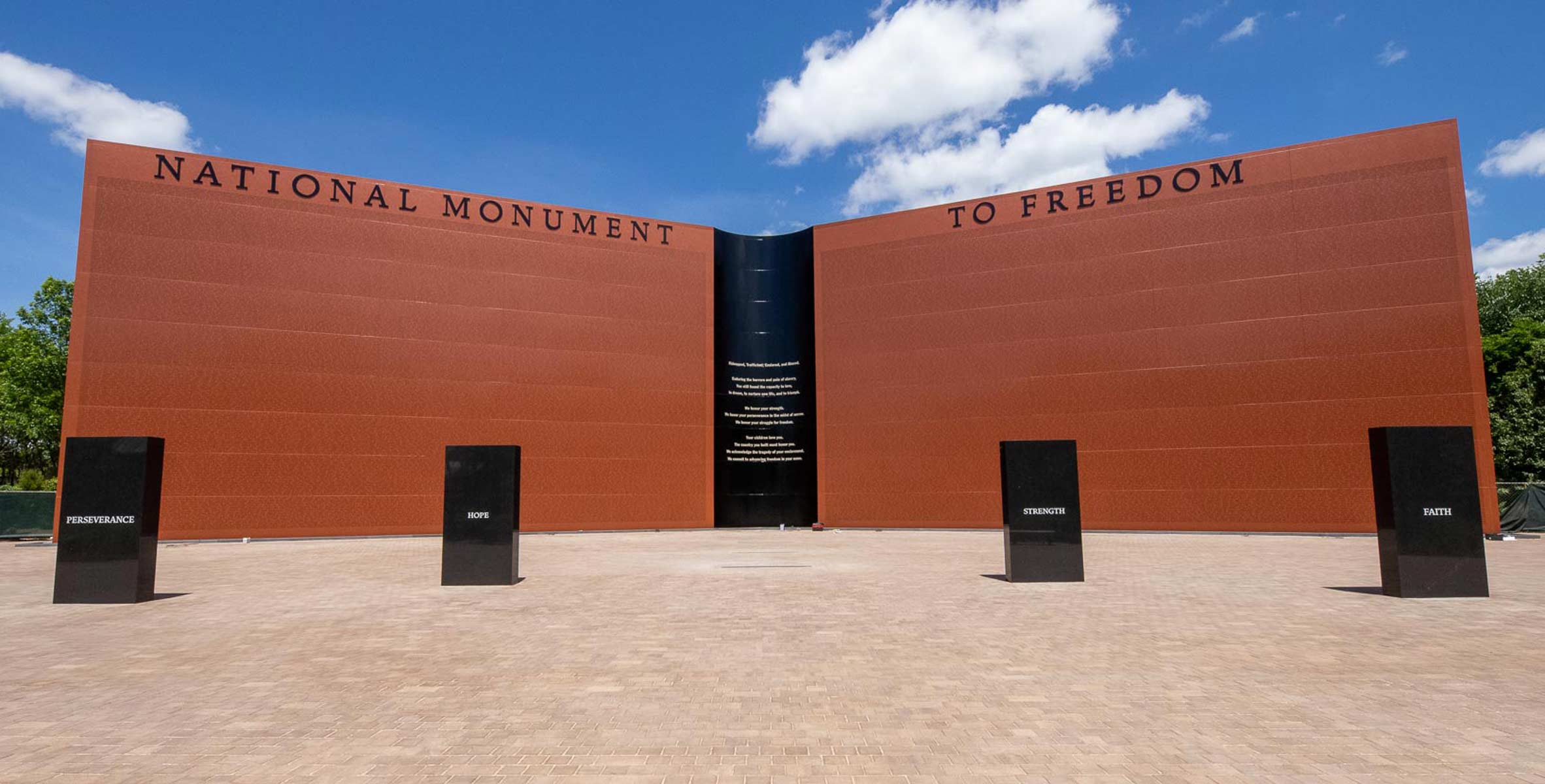
The Memorial to Peace and Justice
Located in Montgomery, Alabama, this will be the country's first national memorial to victims of lynching.
Static report block: 
African Americans who served in the military from the Civil War through World War II were targeted for lynching and racial terror.
EJI documented more than 4000 terror lynchings between the Civil War and World War II.
Outlines the latest reforms that aid children caught in the American criminal justice system and the work that remains to be done.