Sidebar
The Abolitionist Movement
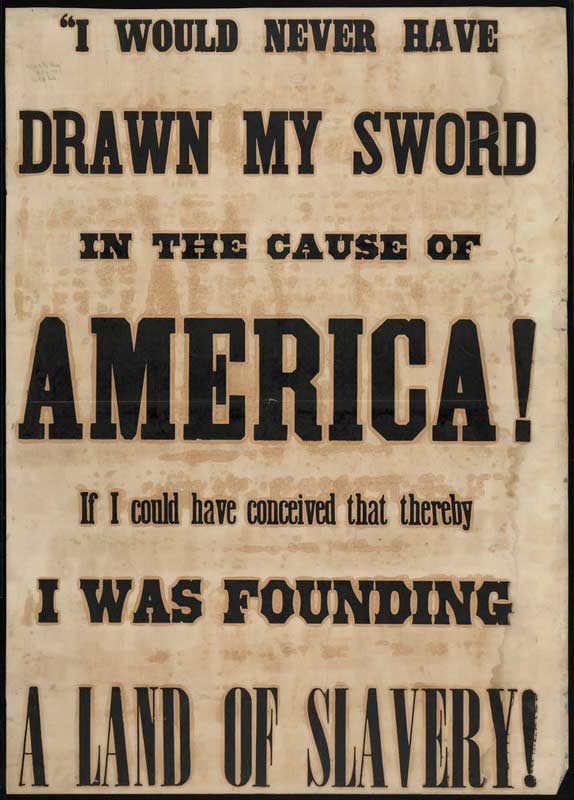
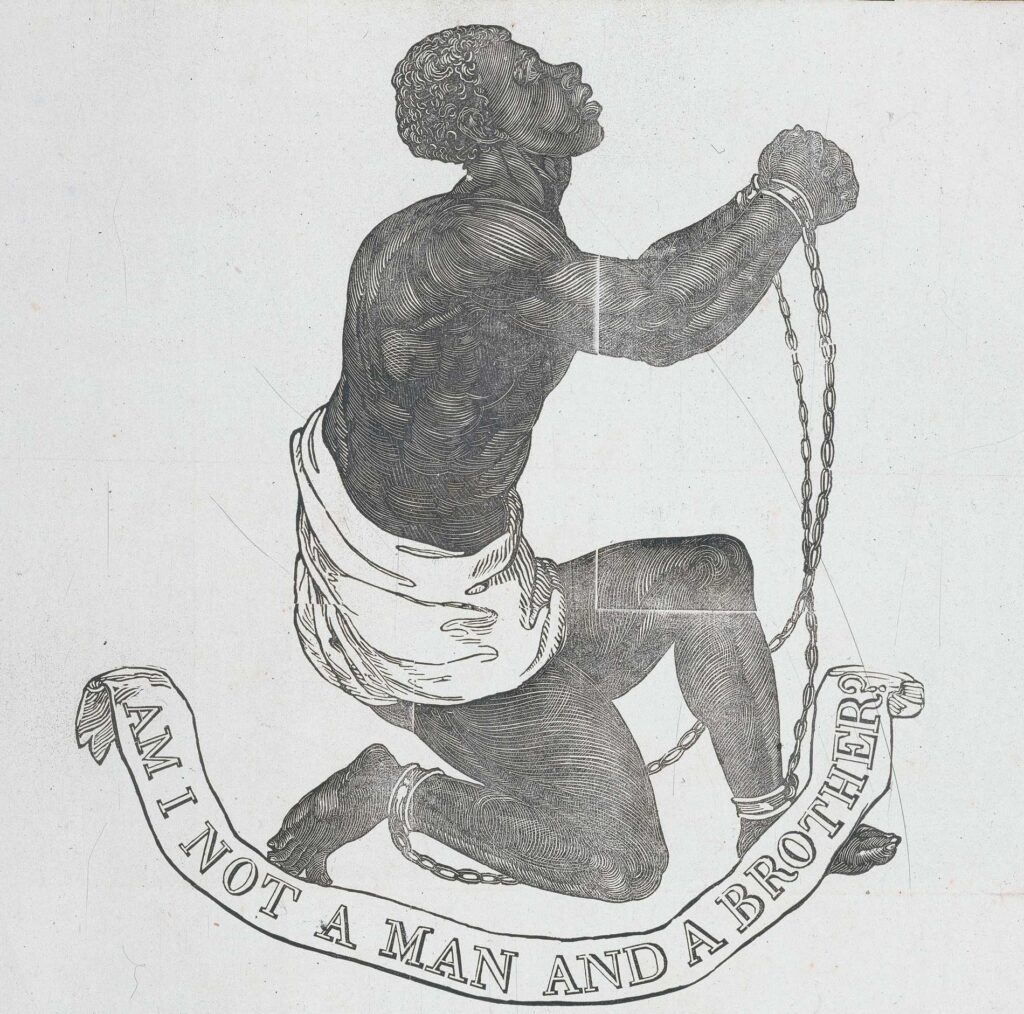
On December 12, 1865, the Thirteenth Amendment was ratified, making slavery illegal except as punishment for crime and ending the system of racialized chattel slavery. This was largely made possible by the abolitionist movement. Led by generations of Black advocates joined by some white allies, abolitionists persistently worked to end slavery in the face of institutional opposition and widespread, violent resistance.
David Walker, a free Black abolitionist from Boston, published An Appeal to the Coloured Citizens of the World in September 1829. The pamphlet demanded the immediate emancipation of the enslaved and called on free and enslaved Black people to actively fight against racial oppression and the institution of slavery. Walker’s Appeal also warned white Americans who were complicit in racial oppression that their “destruction is at hand, and will be speedily consummated unless you repent.”1 David Walker, David Walker’s Appeal to the Coloured Citizens of the World, but in Particular, and Very Expressly, to Those of the UnitedStates of America (Baltimore: Black Classic Press, 1993).
Afraid and enraged, Southern white authorities branded the pamphlet dangerous and destroyed all copies found within their borders, and the State of Georgia offered a bounty for Mr. Walker’s capture.2 Baptist, The Half Has Never Been Told, 197. The next fall, North Carolina passed two laws banning the dissemination of any publication with the tendency to inspire revolution or resistance among enslaved or free Black people.3 “Slaves and Free Persons of Color. An Act Concerning Slaves and Free Persons of Color,” NC General Assembly, 1831. Georgia and Mississippi legalized use of the death penalty against free Black people caught spreading anti-slavery materials.4 Baptist, The Half Has Never Been Told, 196-97. And multiple state legislatures prohibited anyone from teaching Black people to read.5 Ibid., 197. Anti-slavery publications still persisted, including Frederick Douglass’s North Star newspaper, and white abolitionist William Lloyd Garrison’s The Liberator.
After enslaved preacher, Nat Turner’s, rebellion in Virginia in 1831, the Mississippi legislature barred any Black person, free or enslaved, from becoming a preacher, and the city of Mobile, Alabama, banned gatherings of more than three enslaved people.6 Ibid., 210. Anti-slavery sentiment and activity continued to grow in the North where, in 1830, free Black people began organizing annual abolition conventions to gather and strategize.7 Quarles, Black Abolitionists, 92.
In response, the South intensified efforts to suppress abolition. On two different occasions in 1854, white “slave patrollers” in Mt. Meigs, Alabama, burned enslaved Black people alive for suspicion of possessing anti-slavery materials.8 Marshall Rachleff, “An Abolitionist Letter to Governor Henry W. Collier of Alabama: The Emergence of ‘The Crisis of Fear’ in Alabama,” J. Negro Hist. (Fall 1981): 246-53. White abolitionist John Brown led a biracial, armed raid at Harper’s Ferry in West Virginia, in an attempt to overthrow slavery; he was hanged for treason on December 2, 1859.9 See Franny Nudelman, John Brown’s Body: Slavery, Violence, and the Culture of War (Chapel Hill: University of North Carolina Press, 2004).
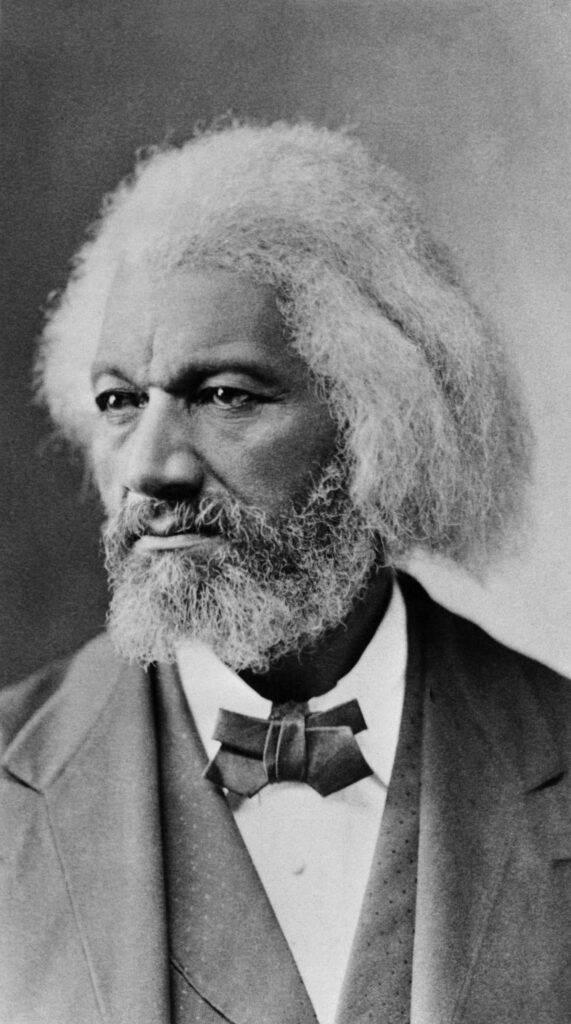
The abolition of slavery followed the Civil War but resulted from the tireless work of many Black leaders and others who risked their safety and sometimes lost their lives to stand against the denial of their humanity. “Those who profess to favor freedom, and yet depreciate agitation,” said Frederick Douglass in 1857, “are men who want crops without plowing up the ground.”10 Frederick Douglass, The Portable Frederick Douglass (New York, NY: Penguin Books, 2016), 288.